National Archives Museum
Ref: Smithsonian. National Archives Museum. Washington DC.
_____________________________________________________________________________
Chronology
8 Aug, 1974: POTUS Nixon announces his resignation as US President. A month later, POTUS Ford issues him a full pardon (National Archives Museum).
17 Jun, 1972: Watergate; five burglars break into the offices of the DNC at the Watergate office complex in Washington DC. Investigations into the break-in expose a trail that lead to the highest levels of the Nixon administration and ultimately to the President himself. POTUS Nixon resigns from office under threat of impeachment on 9 Aug, 1974 (National Archives Museum).
1972: The USG passes Title IX as part of Education Amendments. Title IX prohibits sex discrimination in education programs supported by federal dollars. The number of girls playing sports in high school and college soon quintupled (National Archives Museum).
1966: Inventors Stephanie Kwolek and Moran Winthrop file a utility patent for Kevlar (National Archives Museum).
1964: Inventor Jack Kilby files a utility patent for the Microchip (‘Integrated Circuit’) (National Archives Museum).
1952: Inventors Norman Woodland and Bernard Silver file a utility patent for the Barcode, originally for use in the grocery industry to manage inventory (National Archives Museum).
1946: A US Coal miners’ strike is led by UMWA president John Lewis. The strike is later negotiated between Interior Secretary Julius Krug and Lewis who agree to a federal mine safety code, health and retirement funds, a 5-day work week, an $.18/hr raise and a medical health and welfare survey of the industry (National Archives Museum).
1938: Inventor Vladimir Zworykin files a utility patent for the Television System (National Archives Museum).
1922: The Big Boal Strike; ~610K miners in the US and Canada participate in a United Mine Workers of America (UMWA) strike. In response, POTUS Harding creates the Federal Coal Commission to study working conditions in the coal fields (National Archives Museum).
1913-1914: The Colorado Coalfield War; a strike of 9000 coal miners develops into a war involving the CO National Guard. Violence continues until federal troops are called in (National Archives Museum).
1906: Inventors Orville and Wilbur Wright file a utility patent for the Wright Flyer (National Archives Museum).
15 Feb, 1898: The USS Maine explodes in Havana Harbor, accelerating the outbreak of the Spanish-American War, which lasts from Apr-Dec, 1898 (National Archives Museum).
1880: Inventor Thomas Edison files a utility patent for the Incandescent Light Bulb. His patent improved electric lamps by revising the design and adding a carbon filament (National Archives Museum).
1873: Louis Pasteur files a utility patent for the Process of Pasteurization, which heats foods and beverages to ill harmful bacteria. Pasteurization prolonged the storage time of food and led to sealed, packaged food products that could be transported long distances. While Pasteur studied fermentation in beer and wine, the process is best known today for preventing milk products from going sour (National Archives Museum).
1870-1914: 763,185 mine workers are killed on the job (US Bureau of Mines).
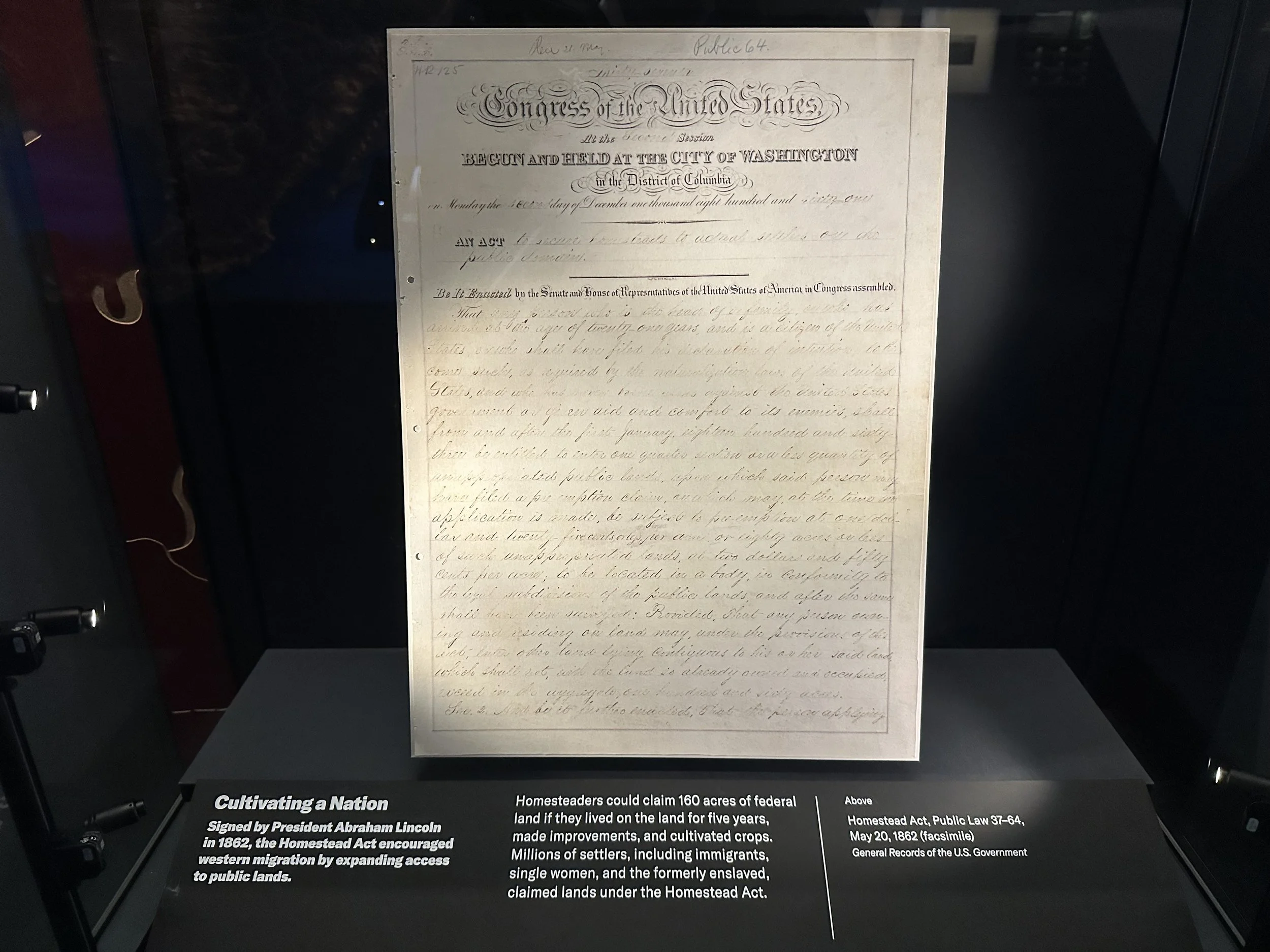
20 May, 1862: POTUS Lincoln signs the Homestead Act (‘Public Law 37-64’) into law to encourage western migration by expanding access to public lands. Homesteaders could claim 160 acres of federal land if they lived ono the land for five years, made improvements, and cultivated crops. Millions of settlers claimed lands (National Archives Museum).
1846: Inventors Charles Jackson and William Morton file a utility patent for Anesthesia (National Archives Museum).
24 Dec, 1814: The Treaty of Ghent is signed between the US and Great Britain, ending the War of 1812. Under its terms, Great Britain agrees to relinquish claims to the NW Territory and both countries pledge toward ending the slave trade (National Archives Museum).
Mar, 1770: The British repeal nearly all of the duties from the Townshend Acts, however it keeps the tax on tea as a symbol of Britain’s authority over the colonies. Britain’s refusal to relent led several dozen Bostonians to take extreme action whereby they dumped tea into the harbor at the “Boston Tea Party” (National Archives Museum).
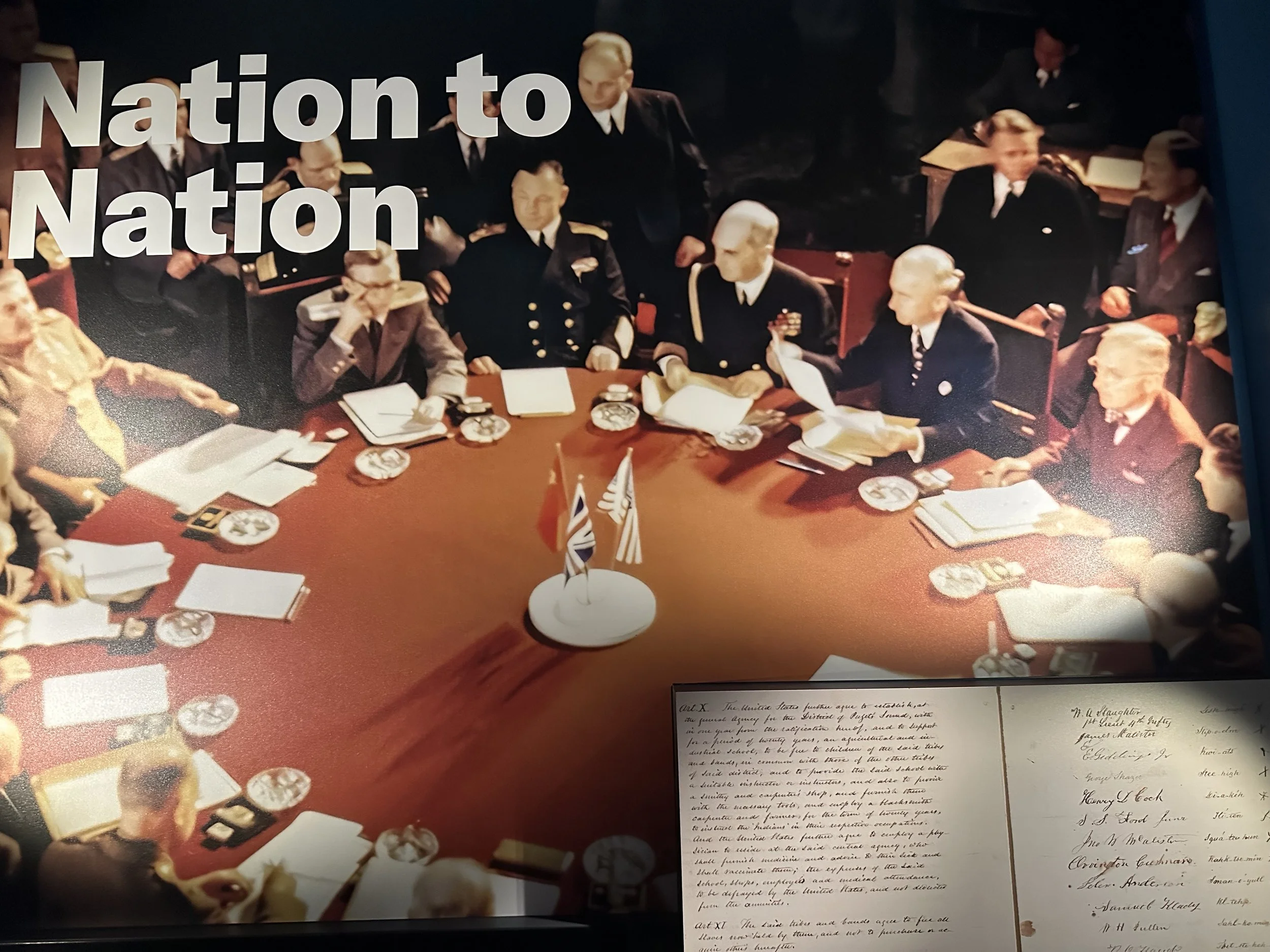
1768: The Fort Stanwix Treaty; six nations sell large tracts of land claimed by other tribes, including the Shawnee. Fearful of provoking war with a powerful coalition of tribes, the British government blocks implementation of the controversial treaty (National Archives Museum).
29 Jun, 1767: The British parliament passes the Townshend Acts, creating new import duties on British goods, including tea (National Archives Museum).
1765: The British Parliament imposes the Stamp Act, taxing printed materials and legal documents in the American Colonies (National Archives Museum).
1763: The British Parliament issues a proclamation banning all westwards settlement in its American colonies in order to protect tribal lands from unauthorized colonial settlement (National Archives Museum).
15 Jun, 1215: Magna Carta; in a field at Runnymede, English King John affixes his seal to the Magna Carta. Confronted by 40 rebellious barons, he consents to their demands in order to avert civil war. Just 10 weeks later, Pope Innocent III nullifies the agreement, and England plunges into internal war. Although Magna Carta fails to resolve the conflict between King John and his barons, it was reissued several times after his death (National Archives Museum).
_____________________________________________________________________________